

TL;DR:
Restaurant marketing in 2026 is all about real change: AI assistants like ChatGPT now decide which restaurants people choose, so restaurant marketing must focus on being the only answer AI will recommend. Restaurant marketing success depends on consistency across every digital channel, making your site AI-friendly, and putting customer retention above constant new customer chasing. Let technology do the heavy lifting so your team can bring authentic, human connection—because the most effective restaurant marketing is about creating memorable feelings, not just flashy ads.
Look, I’m not going to sugarcoat this: the way we market restaurants is about to change dramatically. Not in some far-off future, but right now. And honestly? Most of the changes aren’t what you’d expect.
I’ve been watching these shifts play out in real time, and the restaurants that are paying attention are already seeing results. The ones that aren’t? Well, they’re about to have a rough year. Here are the marketing trends that will actually matter in 2026: not the ones making headlines, but the ones quietly reshaping everything.
Your New Competitor Isn’t the Place Down the Street, It’s ChatGPT
Here’s something that should keep you up at night: when someone asks their AI assistant “where should I eat tonight?”, you’re not competing with other restaurants anymore. You’re competing to be the answer.
Think about it. People aren’t Googling “best Italian restaurant near me” and scrolling through ten blue links anymore. They’re asking Claude or ChatGPT or Siri for a recommendation, and they’re getting one answer. Maybe two. That’s it.
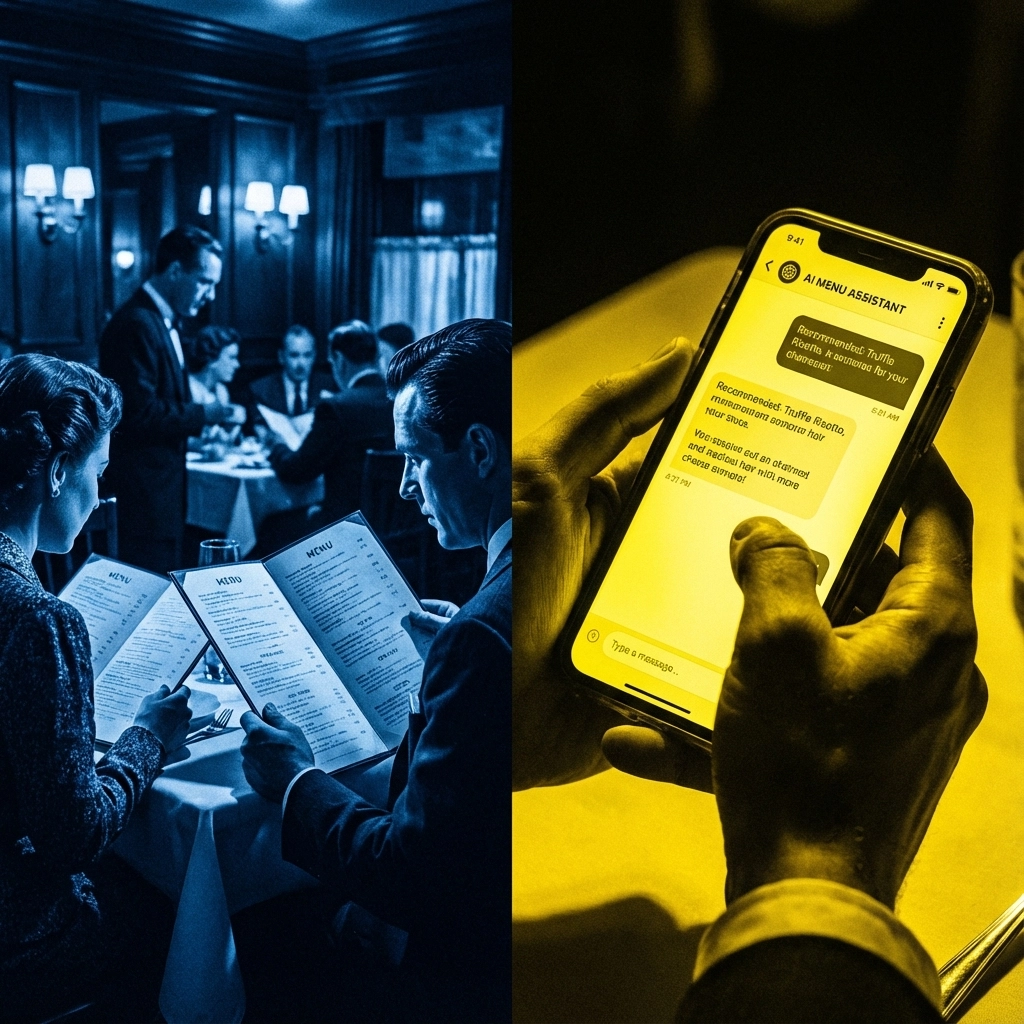
One marketing agency tracked this and found that 15% of their restaurant client’s calls now come directly from ChatGPT recommendations. Not Google. Not Instagram. An AI chatbot.
This shift from traditional SEO to what marketers are calling Generative Engine Optimization changes everything. The goal isn’t to rank on page one anymore: it’s to be the singular answer AI gives when someone asks.
So how do you market yourself to an AI?
First, be ruthlessly consistent everywhere. AI doesn’t just check your website: it’s cross-referencing your Yelp reviews, your Instagram bio, your Google Business profile, everything. If your hours are different on three platforms or your cuisine style varies, you’re teaching AI that you’re unreliable. Every digital touchpoint needs to tell the same story.
Second, make your website AI-readable. I know, it sounds technical. But basically, you need structured data (Schema markup, if you want to get nerdy about it) that tells AI exactly what you serve, where you are, and what makes you special. Think of it as metadata: invisible to human visitors but crystal clear to AI. It’s the difference between being background noise and being a credible recommendation.
Third, write like people talk. Your website should answer the actual questions people ask AI. Not “Our farm-to-table philosophy embraces seasonal ingredients in a curated culinary journey” but “What makes your menu different? We change our dishes every season based on what’s fresh from local farms, so you’ll never eat the same meal twice.”
This isn’t theoretical marketing futurism. It’s here. And if your marketing strategy doesn’t account for AI as a discovery channel, you’re already behind.
The Marketing Funnel Everyone’s Using Is Backwards
Every restaurant marketer I know is obsessed with the top of the funnel. Running Facebook ads, offering first-time discounts, trying to pack the place with fresh faces. But here’s the uncomfortable truth: you’re probably leaving money on the table by ignoring the people who already love you.
It costs five to seven times more to acquire a new customer than to keep an existing one. But more importantly: and this is the part most restaurant marketers miss: your regulars are your best marketing channel. Period.
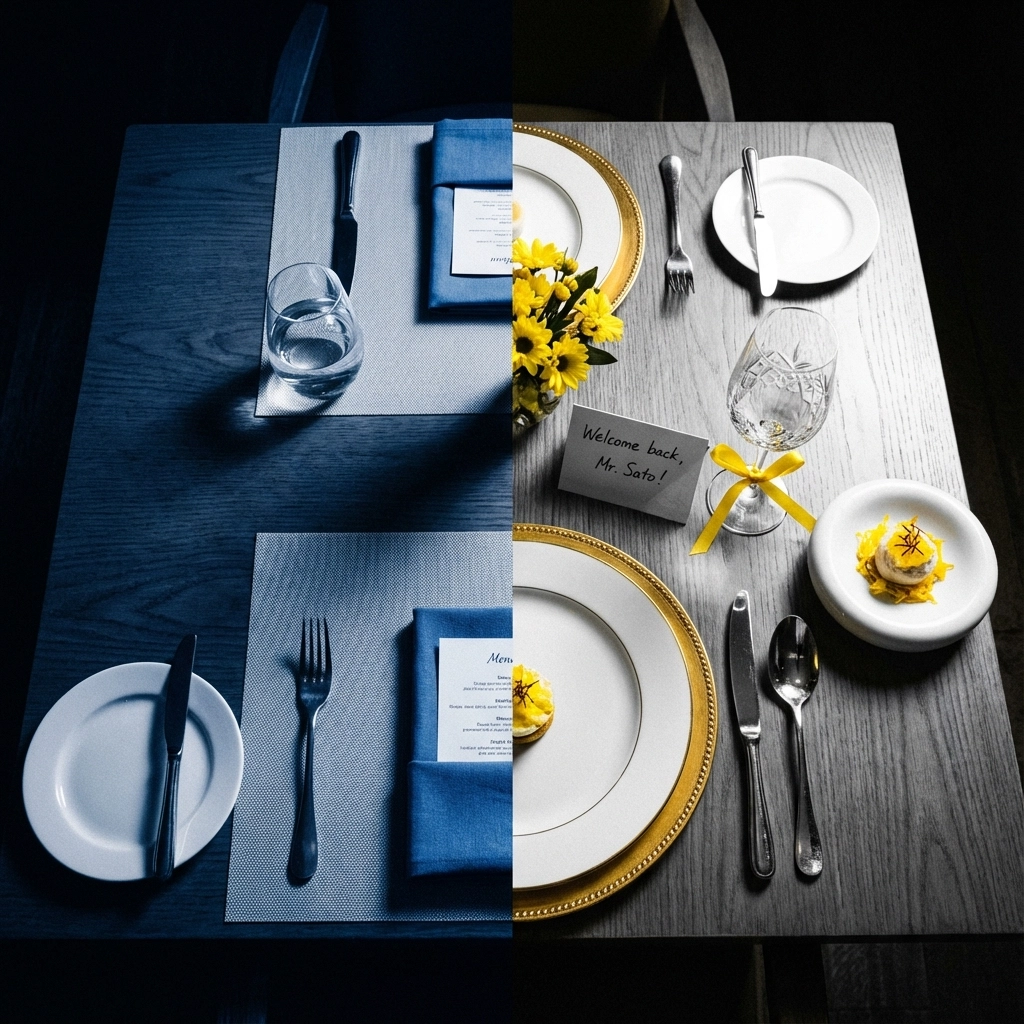
There’s this concept gaining traction called the “inverted marketing funnel,” and it flips conventional wisdom on its head. Instead of constantly pouring new customers in at the top and hoping some convert at the bottom, you focus your marketing dollars on keeping the customers you already have and turning them into advocates.
Here’s what that actually looks like in practice:
Nurture your existing customers with personalized marketing. Remember their anniversary and send them something special. Use your CRM to note their preferences. Make them feel seen in a way that mass marketing never could.
Engage them beyond the transaction. Create experiences worth talking about: cooking classes, exclusive tastings, behind-the-scenes tours, early access to new menu items. This is content marketing gold, by the way. Your existing customers become your content.
Make repeat visits the foundation of your strategy. Build loyalty programs that actually create loyalty, not just discounts. Points-based programs are dead. Winning loyalty models now use tiered rewards that unlock Bronze → Silver → Gold statuses with escalating benefits. These create psychological investment and drive higher-value customer behavior.
The smartest restaurant marketers in 2026 will spend less on acquisition and more on retention. Because a customer who comes back five times and tells three friends is worth more than ten one-time visitors who saw your Instagram ad.
The Real Winning Formula: AI + Human
The shift happening in 2026 is this: AI handles the analytical, repetitive, data-heavy marketing work: audience segmentation, performance optimization, content generation, A/B testing: so your human team can focus on what technology can’t do. The emotional storytelling. The brand personality. The creative risks. The human connections.

AI takes care of the data. It analyzes your customer purchase history to identify when your regulars typically return, what they order together, which menu items have the highest margins. It segments your email list based on behavior, not demographics. It optimizes your ad spend in real-time across platforms.
Humans deliver the heart. They craft the handwritten thank you note to your VIP customer. They design the surprise birthday dessert presentation. They create the story behind your signature dish that makes people feel connected to your restaurant’s journey.
The restaurants with the best marketing in 2026 won’t be the ones using the most AI. They’ll be the ones using AI to amplify their humanity.
None of this is about technology taking over marketing. It’s about using technology to market more effectively and more personally. When AI tells you that a customer hasn’t visited in 45 days, your human team crafts the “we miss you” message that brings them back. When AI identifies your highest-value customers, your human team designs experiences that make them feel like VIPs.
Stop Chasing Vanity Metrics
Here’s the tough love part: your follower count doesn’t pay your rent. Your engagement rate doesn’t cover payroll. The restaurants winning in 2026 measure Customer Lifetime Value, repeat visit frequency, and direct order conversion rates: not Instagram hearts.
Owned channels trump rented platforms. WhatsApp groups and direct email achieve 90% open rates compared to Instagram’s 2% engagement. When you pay social media platforms for visibility, you’re renting access to your own customers. Stop doing that.
Move your best customers off public platforms into channels you control. Create a VIP text group for special offers. Build an email list of regulars who get first access to new menu items. Develop digital wallet loyalty passes that live in their phones and send push notifications.
Stop discounting indiscriminately. Blanket discounts train customers to wait for deals and erode margins. Instead, design promotions around your high-margin items through strategic bundling, time-based pricing, and menu engineering.
The Bottom Line
The restaurants that win in 2026 won’t be the ones with the fanciest AI tools or the coolest AR experiences. They’ll be the ones who use these tools to understand their customers better, engage them more meaningfully, and create experiences worth talking about.
Because here’s what hasn’t changed: people don’t choose restaurants based on logic. They choose based on feeling. Your marketing should create that feeling: anticipation, excitement, belonging, delight. Technology should amplify that, not replace it.
The question you need to ask isn’t “what’s the next marketing trend?” It’s “how do I use all of this to make people feel something?”
Get that right, and 2026 is going to be your year.